

In a landscape shaped by SOCI, CPS 234, ISO 27001 and GDPR, unmanaged data is no longer just inefficient—it is a regulatory and cyber liability. Our data governance service builds a controlled environment around your critical information, ensuring it is secure, compliant, and defensible across Australian critical infrastructure, APRA‑regulated entities, and global privacy regimes.
Data governance for compliance and security ensures that your organisation’s data is accurate, protected and used in line with regulatory and contractual obligations. It creates a controlled environment where data is classified, safeguarded, and monitored, so you can demonstrate trustworthiness to regulators, customers, and partners.
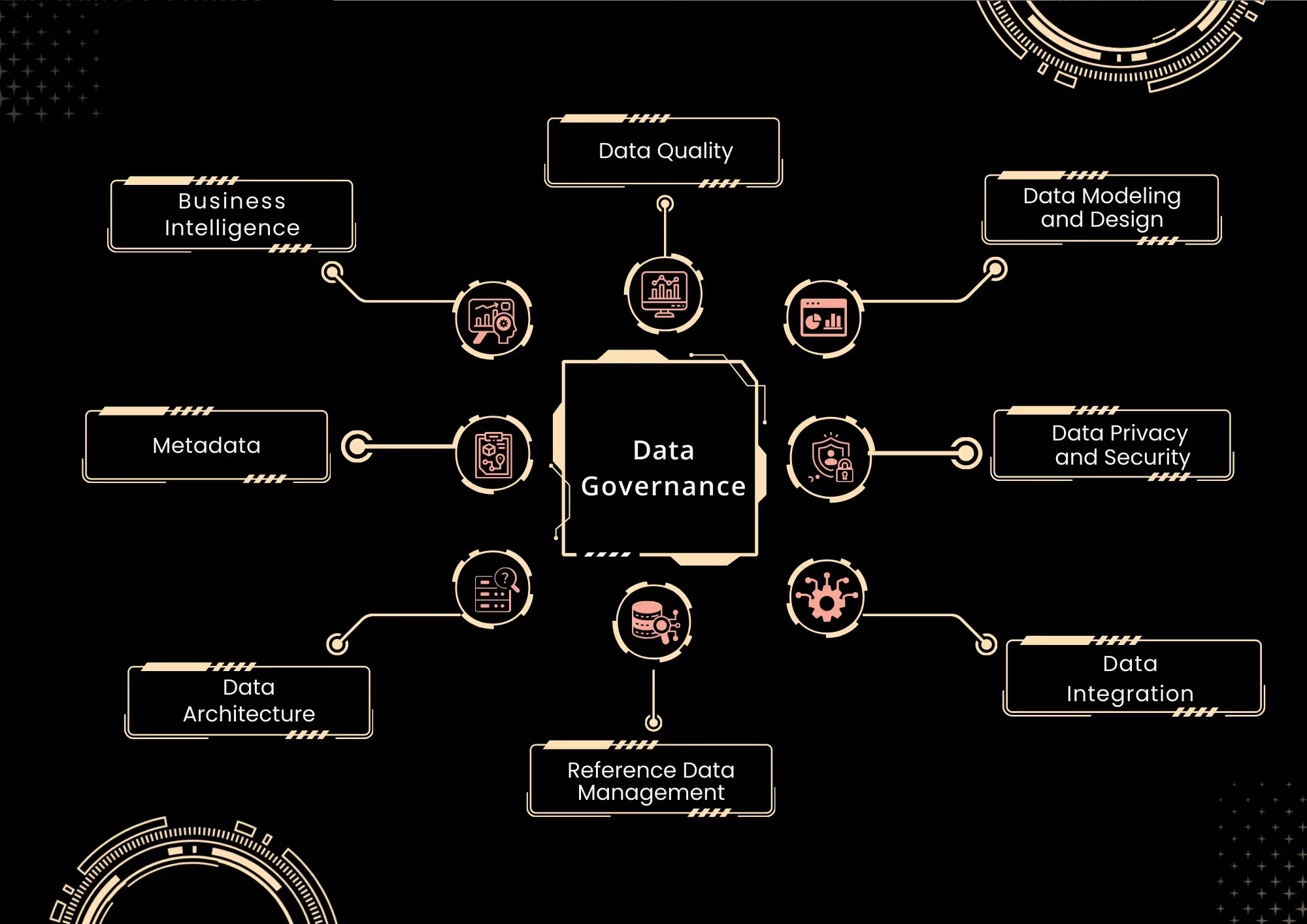
A data governance service focused on compliance and security typically helps you to:
- Define data ownership, roles, and responsibilities (e.g., data owners, custodians, stewards) so that accountability for security and compliance is clear.
- Classify data by sensitivity and regulatory impact to guide protection levels, access controls and retention.
- Establish and enforce policies for data access, sharing, retention, and disposal that align with privacy, sector, and cyber regulations.
- Implement security controls such as least‑privilege access, encryption and monitoring around critical data assets.
- Create standardised data quality rules so reporting to regulators and executives is accurate and defensible.
- Set up governance forums, metrics and audit trails to evidence compliance and continuously improve data security and control.
The future of data governance lies in striking the right balance between innovation and protection, between data use and individual privacy. As regulations continue to evolve, so too must our approaches to data governance. By staying informed, adaptable, and proactive, we can create a data ecosystem that fosters trust, drives innovation, and respects individual rights.
Why Data Governance / Benefits
- Reduced regulatory and privacy risk through clear policies, access controls, audit trails and retention rules aligned to frameworks like GDPR and ISO 27001.
- Stronger data security by defining who can access what data, under which conditions, with monitoring that lowers the likelihood and impact of breaches.
- Fewer audit surprises, with consistent practices and evidence that keep you ready for regulators, customers and internal assurance.
- Higher‑quality, trusted data that improves reporting, risk assessment and decision‑making across the business.
- Better risk management and resilience through end‑to‑end visibility of data flows, dependencies and vulnerabilities.
- Increased efficiency by reducing duplication, inconsistencies and manual work in managing and finding data.
- Stronger stakeholder and customer trust by visibly demonstrating responsible, secure and compliant handling of their information.
Cyberverse Approach
Data is your most valuable asset—and under SOCI, CPS 234, ISO 27001 and GDPR, it is also one of your biggest obligations. Our data governance service helps you establish clear ownership, strong controls, and practical policies for your critical and personal data, so it stays secure, compliant, and ready for trusted use across your organisation.
Our data governance for compliance and security helps you to:
- Establish clear data ownership, roles, and accountability aligned with CPS 234, ISO 27001, and GDPR governance expectations (e.g., accountable boards, information security roles, data protection responsibilities).
- Classify and map critical and personal data to support SOCI’s “business critical data” obligations, APRA information security requirements and GDPR records of processing.
- Define and enforce policies for access, retention, disposal and cross‑border transfers so controls satisfy ISO 27001 and GDPR principles of confidentiality, minimisation and lawful processing.
- Implement and evidence security controls (identity and access management, DLP, encryption, monitoring) to meet CPS 234 resilience expectations and SOCI’s positive security obligations.
- Create audit‑ready logs, metrics and reporting that demonstrate ongoing compliance to regulators and support ISO 27001 certification and GDPR accountability.
As we navigate the ever-evolving landscape of data governance regulatory requirements, it’s clear that compliance is not just a legal necessity but a strategic imperative. By embracing these regulations and implementing robust data governance best practices, organisations can turn regulatory requirements into competitive advantages.